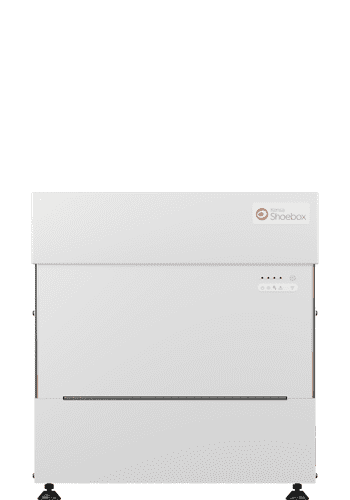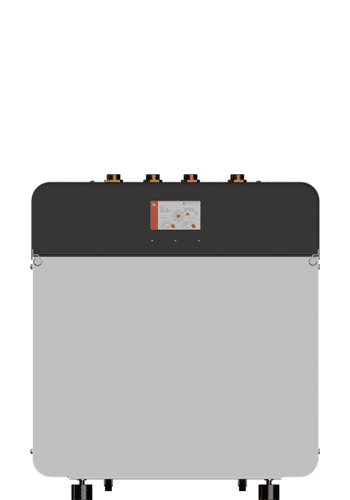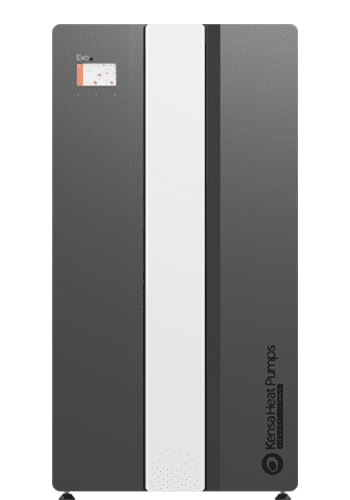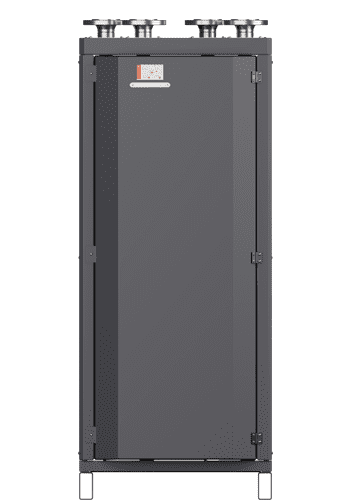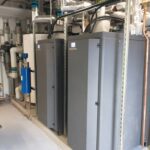
As the UK’s only manufacturer of a full range of ground source heat pumps capable of handling space heating and domestic hot water production, Kensa Engineering has considerable experience and expertise to help with your project. Kensa offer straightforward and honest guidance about whether a ground source heat pump is right for you. Kensa can also provide you with the latest information concerning the Renewable Heat Incentive Scheme.
Ground Source Heat Pumps - How do they work and what are the benefits?
You will be aware of ground source heat pump systems and their growing popularity for use as a renewable heating system. As the UK’s only manufacturer of a full range of ground source heat pump systems, Kensa Engineering has established an unrivalled reputation for providing first class technical support and advice to help clients easily integrate the renewable technology into their projects. Kensa have developed and manufactured a complete range of ground source heat pumps from small compact domestic heat pump units (from 4 kW) to large commercial heat pump units (systems above 1 MW).
A ground source heat pump basically extracts solar energy stored in the ground, water courses and in the air and converts this to a higher temperature to use in a buildings heating distribution system. They work in a similar manner to a fridge in reverse, where the inside of the fridge is the heat source and the grill at the back of the fridge is the heating system. Find out more about how a ground source heat pump works.
Ground Source Heat Pumps are a method to significantly reduce the carbon footprint of this sector as they are extremely energy efficient, with every unit of electricity used (to drive the pumps and compressor) producing between 3 and 4 units of heat. Due to the high efficiencies of Kensa heat pumps the CO2 emissions associated with them are significantly lower than traditional fossil fuels (up to 43% lower than gas) helping reduce carbon emissions and helping with the Government drive to zero carbon buildings in 2016.
As well as reducing the CO2 emissions, GSHPs if installed correctly can have the lowest running costs of all space heating systems, resulting in low energy bills for the user making them ideal to help solve fuel poverty issues or just lower people’s fuel bills. Kensa has pioneered the design of the heat pump unit to enable smooth renewable energy installation of the product by a competent self-builder and also professional builders and plumbers without the need for any specialist training, certification or tools. Kensa have essentially removed the pretence that heat pumps are unaffordable. Installation costs can be quite significant for a heat pump when using a specialist installer therefore by removing this as a standard requirement, Kensa strive to make heat pumps more affordable and accessible, irrespective of where the customer lives geographically.
The range of products also includes the largest domestic ground source heat pump available for single phase power supplies which removes the need for installing an expensive three phase power supply. Kensa manufacture a 24kW single phase compact ground source heat pump.
As well as ground source heat pumps, Kensa have also designed heat pump systems to operate on a number of different energy sources, such as lake systems (closed and open source) and boreholes, which is further increasing the products availability to different markets and increasing the carbon savings for the environment.
As Kensa also design heat pump systems, as detailed in our ISO9001 approval, we are in the unique position of being able to manufacture heat pumps for specific applications and this has included designing and manufacturing heat pumps which are fitted to all new RNLI lifeboats and use sea water as their heat source. These heat pumps control the environmental conditions within the lifeboat enabling the crew to work more effectively.
Before you commit to specifying a ground source heat pump on your project, it is important that you establish whether ground source is a feasible option. You can start to establish this by answering a few simple questions:-
1. Is there sufficient land available to install the required number of ground loops/slinkies or boreholes?
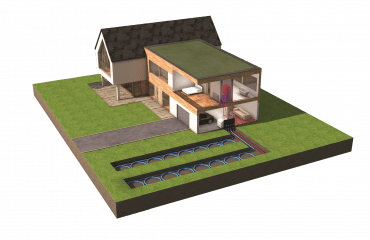
Energy for the heat pump must be extracted from the ground or from a local water source. The ground needs to be suitable for digging trenches and must be accessible to digging machinery. The area of ground or water source required to extract sufficient energy will depend on the size of the building you want to heat. As a general guide, Kensa recommend 10m of trench with slinkies will be required per kW of the heat pump size. ie. 4kW Ground source heat pump will require 1no 40m long trench with slinky pipes buried in the ground for space heating. Should domestic hot water be required, the length of the trench will be slightly increased. The size of the heat pump will depend on the size of the property, how well insulated the property is and what heating distribution system is used.
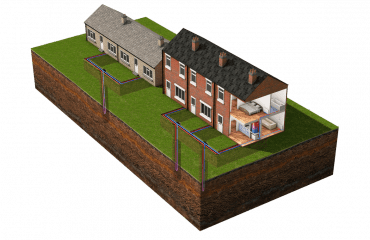
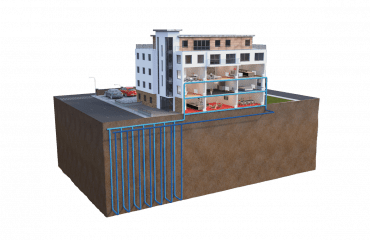
If there is insufficient land available for digging trenches, boreholes can be considered. Installation costs will increase dramatically when drilling is involved. For this reason, boreholes are generally not considered a feasible option on small domestic applications.
Alternatively for an accurate sizing of your heat pump and to establish exactly how much land will be required for your heat pump installation, submit your plans to Kensa.
2. Is the building going to be well insulated?
Since ground source heat pumps produce a lower temperature heat than traditional boilers, it's essential that your home is well insulated and draught proofed for the heating system to be effective. It could also make the system smaller and cheaper to install. For this reason heat pumps are ideal for New builds, however they can also be cost effective in existing buildings provided all reasonable insulation measures have been taken first. To find out more about the required levels of insulation for a ground source heat pump to be effective, read our insulation factsheet.
3. What sort of heating distribution system is currently in place, or what heating distribution system do you propose on using?
The ideal application for any heat pump is a well insulated new build property with a wet underfloor heating system and sufficient land to bury the ground arrays. However heat pumps can also be used effectively for buildings using radiators but there are a number of considerations which need to be taken into account. For example, a heat pump using radiators would still be cost effective compared to oil or LPG, however, the savings are marginal against mains gas and unless installed for reasons other than running cost savings, the capital costs make it difficult to justify.
4. What level of financial commitment can you give to installing a ground source heat pump?
Costs of a ground source heat pump, plus installation can vary enormously and depends on the size of the building you wish to heat and the insulation levels in place. To get an idea of typical project costs, you can download the Kensa ground source heat pump project guide prices. Running costs will depend on a number of factors - including the size of your home and how well insulated it is and the heating distribution system used.
Once you have established that a ground source heat pump is a feasible option for your project, you can now explore the benefits and key issues to installing a ground source heat pump by clicking on the below links:-